材質と重量 — 産業用ガス貯蔵
アルミニウム製ガスシリンダーはスチール製シリンダーより軽いですか?
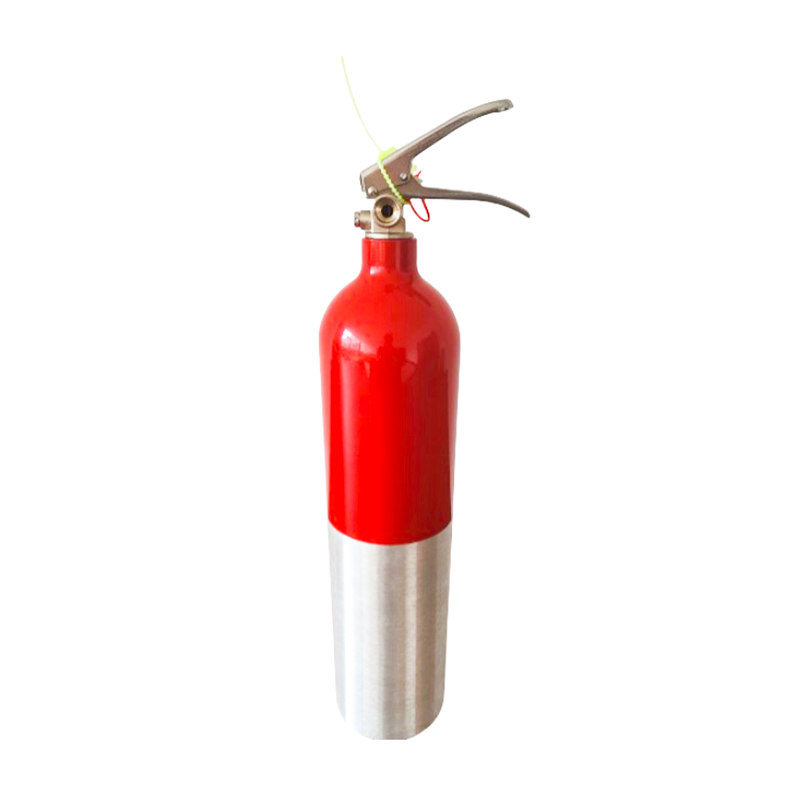
アルミガスシリンダー は、同じ体積と圧力定格の鋼製ガスシリンダーよりも一貫して軽量です。これは、業界がガス貯蔵の取り扱い、輸送、選択の方法を再構築する原材料密度の直接の結果です。
アルミニウムの重さは1立方センチメートルあたり約2.7グラムですが、鋼鉄の場合は1立方センチメートルあたり約7.85グラムであり、アルミニウムの密度は鋼鉄の3分の1未満です。現実世界では、同等の圧力定格で同じ体積のガスを保持するアルミニウム シリンダーの重量は通常、 30 ~ 45% 削減 スチール製の同等品よりも優れています。この重量の違いは製造上の小さな違いではありません。それは、どの業界がアルミニウムを選択するか、シリンダーがどのように扱われるか、さらには輸送や日常使用におけるシリンダーの規制方法に直接影響します。
密度の違いがなぜそれほど重要なのか
圧力容器内の重量は、単に金属の密度の問題ではありません。また、使用される合金の強度に基づいて設計される壁の厚さにも依存します。スチールはほとんどのアルミニウム合金よりも単位厚さあたりの引張強度が高くなりますが、アルミニウムシリンダーは合金の選択と熱処理によって補い、最も一般的なアルミニウム合金は 6061-T6 であり、過剰な肉厚を必要とせずに強力な強度対重量比を実現します。
アルミガスシリンダー
その結果、同等の圧力定格ではアルミニウムの壁が鋼の壁よりも若干厚い場合でも、ベース密度が低いことによる全体的な重量削減の方が勝ります。標準的な 80 立方フィートのアルミニウム製スキューバ シリンダーの重量が空の状態で約 32 ~ 35 ポンドであるのに対し、同様の容量のスチール製シリンダーの重量は 28 ~ 30 ポンドになるのはこのためです。ただし、通常、スチール製シリンダーの方がより高い使用圧力を維持できるため、真の同一比較は圧力定格と内部容積の正確な一致に大きく依存します。
シリンダータイプごとの実際の重量の比較
特定のシリンダーカテゴリーを並べて比較すると、重量の違いがより明確になります。以下は、医療、産業、娯楽用途で使用される一般的なシリンダー サイズの一般的な比較です。
| シリンダータイプ | スチール重量(約) | アルミニウム重量(約) |
|---|---|---|
| 小型医療用酸素(M6/ML6) | 1.6kg | 1.0kg |
| ポータブル CO2 ボンベ (20 ポンド) | 13.6kg | 9.5kg |
| 50L工業用窒素ボンベ | 65kg | 45kg |
| 80立方フィートのスキューバシリンダー | 13.2kg | 15.5kg (より大きな体積が必要) |
スキューバ用途では、アルミニウムシリンダーは動作圧力が低いため、同じガス容量を達成するためにわずかに大きな物理的寸法が必要になる場合があることに注意してください。そのため、重量の比較では、サイズだけではなく、常に体積と圧力定格の両方を考慮する必要があります。
日常使用において重量が重要な理由
軽量シリンダーの実際的な影響は、単なる利便性をはるかに超えています。重量は、ガスシリンダーが使用されるほぼすべての用途において、安全性、効率、コストに直接影響します。
手作業による怪我のリスクの軽減 — シフトごとに複数回シリンダーを持ち上げたり、運んだり、位置を変更したりする労働者は、反復的な負担による累積的な負傷のリスクに直面します。シリンダーが 10 ~ 15 ポンド軽いだけでも、月に数百回の繰り返しで腰や肩にかかる物理的負荷を大幅に軽減できます。
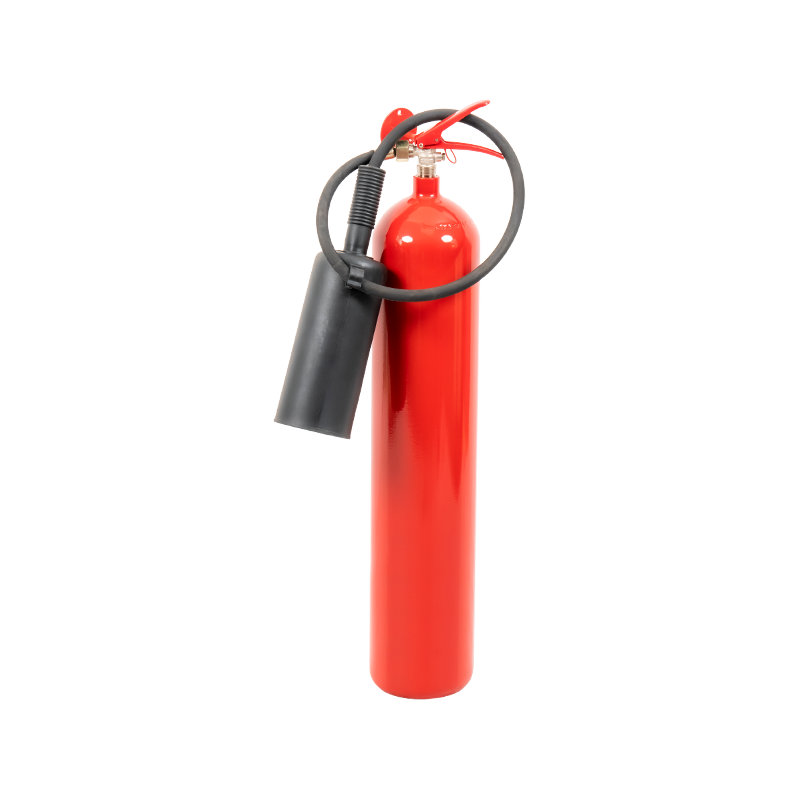
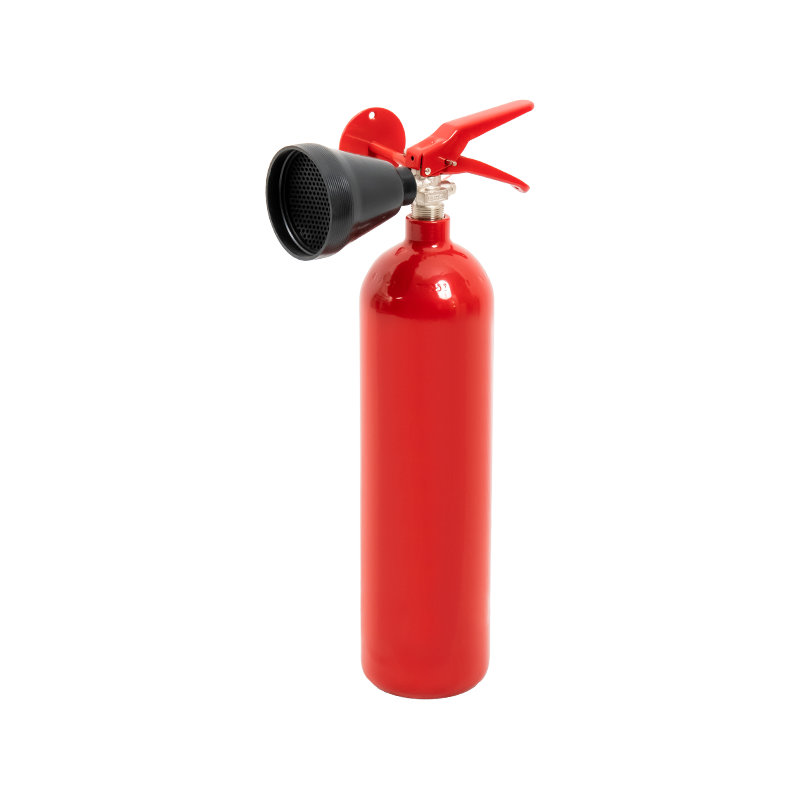
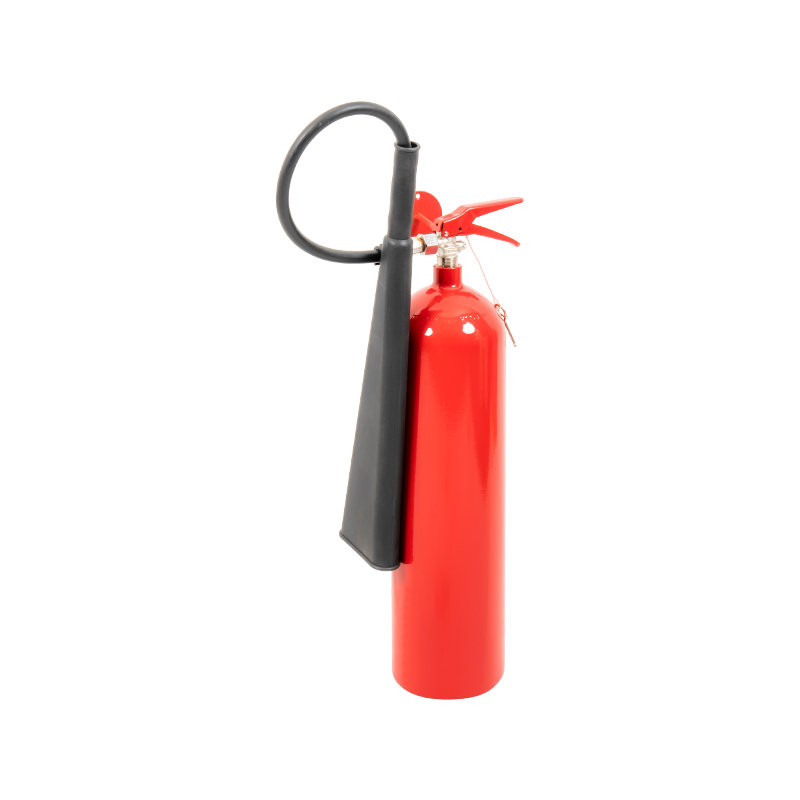
輸送コストと配送コストの削減 — 飲料炭酸供給業者や医療ガス販売業者など、ボンベを定期的に出荷する企業の場合、アルミニウムへの切り替えによる累積的な重量削減は、特に輸送コストの目に見える削減につながる可能性があります。 アルミ製CO2ボンベ 飲料分配システムで使用されます。
フィールドおよびモバイルでの使用のための携帯性の向上 — 溶接工、HVAC サービスプロバイダー、シリンダーを輸送する研究室スタッフなど、現場にシリンダーを運ぶ技術者。 アルミ製窒素タンク 同等の鋼製シリンダーと比較して、疲労が軽減され、1 人での取り扱いが容易になるという利点が直接得られます。
軽量化に伴うトレードオフ
軽量さのためにアルミニウムを選択する場合には、購入者が決定を下す前に理解する必要があるいくつかのトレードオフが伴います。
- アルミニウムシリンダーは一般的にスチールに比べて表面硬度が低いため、衝撃によりへこみやすくなります。
- 約 3,000 psi を超える非常に高圧の用途では、壁厚の要件により、スチールがより実用的でコスト効率の高い選択肢となることがよくあります。
- アルミニウム製シリンダーは通常、同等のスチール製シリンダーよりもガス容量あたりの初期費用が高くなりますが、これは長期にわたる取り扱いと輸送の節約によって相殺されることがよくあります。
- 一部の大容量産業用途では、鋼鉄構造の方が容易に提供できる高圧天井が必要です。
浮力と体積がダイビングの知覚重量に与える影響
アルミニウムタンクはダイビング中にガスが消費されると正の浮力を持ちますが、スチールタンクは全体を通して負の浮力を維持する傾向があります。
特にスキューバ ダイビングでは、重量の比較は他のほとんどのアプリケーションよりも微妙です。アルミニウムは同じ容量定格の鋼よりも低い作動圧力で動作するため、アルミニウムのタンクは物理的に大きくなり、同量の呼吸ガスを保持できます。これは、アルミニウム製の 80 立方フィートのタンクが実際に水から出た重量は、鋼製の 80 立方フィートのタンクよりもわずかに重い可能性があることを意味します。ダイバーは純粋に生の重量に基づいてではなく、その重量が水中でどのように動作するか、またそれがトリムと浮力の制御にどのように影響するかに基づいて 2 つのどちらかを選択します。
軽量アルミシリンダが標準となっている業界
情報 — アルミニウムがリードする場所
- 患者または介護者が毎日ボンベを持ち上げて運ぶ必要がある医療用酸素および在宅医療。
- 飲料の炭酸化およびドラフトシステム。 アルミ製CO2ボンベ バーの後ろや、保管スペースが限られている食品サービスのキッチンでも簡単に交換できます。
- 実験室および分析機器。 アルミ製窒素タンク 校正やパージ作業のため、ベンチと装置の間を頻繁に移動します。
- レクリエーション用スキューバダイビング、モータースポーツ用消火システム、ポータブル溶接セットアップなどはすべて、持ち運びのしやすさを重視しています。
シリンダーを選ぶ際の重量の比較方法
特定の使用例でシリンダーを評価する場合、重量だけが唯一の要素であってはなりません。購入者は、実際の使いやすさを正確に把握するために、空の(風袋)重量、ガス容量、使用圧力定格、および物理的寸法を比較する必要があります。
成功 — 役立つ公式
空のシリンダー重量を定格圧力で使用可能なガス体積で割って、重量対容量比を求めます。 一般にアルミニウム製シリンダーは、より好ましい重量対容量比を達成します。 低圧力から中圧力の用途では、鋼は多くの場合、優れた引張強度により比較的薄い壁構造を可能にする非常に高い圧力でより効率的になります。
最終的なポイント
アルミニウム製ガスシリンダーは、同等の使用例の圧倒的多数でスチール製シリンダーよりも軽量であり、この重量の利点は、取り扱いの安全性、輸送コスト、日常の持ち運びの面での実際の利点につながります。例外は主に、非常に高圧の産業用途や、体積要件が密度の利点を相殺する特定のダイビング シナリオで発生します。
同等の容量のアルミニウム製シリンダーとスチール製シリンダーのどちらかを選択するほとんどの購入者にとって、重量は最も明白ですぐに分かる違いの 1 つであり、医療用酸素の供給、飲料の炭酸化、フィールドラボでの作業など、頻繁に取り扱う必要がある用途では、軽量であることが購入決定の決定要因となることがよくあります。